Accoya® Wooden Windows and Doors - Windows & Doors with Certainty

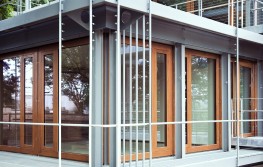


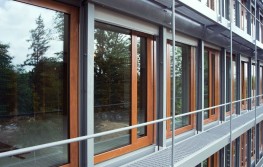
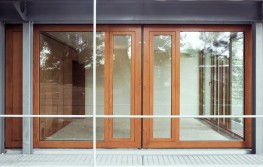
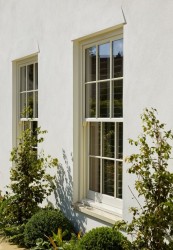


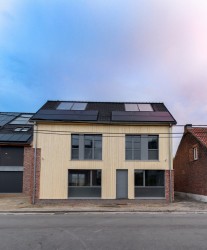

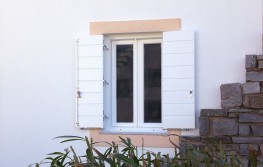

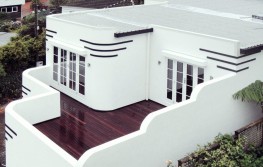
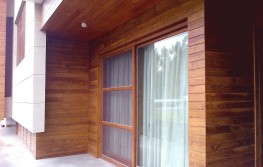








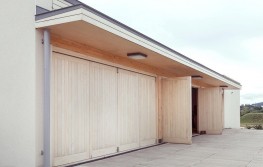

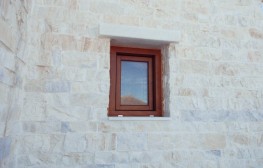



















There are many decisions that need to be made when it comes to developing a residential or commercial property. From structural and architectural considerations, to specifying materials for windows and doors, should you choose wood for your windows and doors? If so which type, do you need to use hardwood for external doors and windows?
Homeowners who are considering buying timber windows and doors may falsely assume that there is always a high level of maintenance and upkeep required to ensure they maintain their condition and do not rot. Most homeowners don’t realise they have the option to choose wooden windows or solid wood doors which do not need lots of maintenance.
Accoya® wood is the perfect material for wooden window frames and external wooden doors and wooden window shutters as it offers improved thermal insulation properties in comparison with commonly used hardwood and softwood wood species and it is more durable and dimensionally stable than the best tropical hardwoods. Accoya® wood has an enhanced coatings performance and can last twice as long, saving time, money and hassle. It also has a 50 year above ground guarantee, giving complete confidence that Accoya® windows and doors will stand the test of time. An Accoya® wooden window or door is developed to excel in external applications, even in challenging conditions.
ACCOYA® TIMBER WINDOW FRAMES
Choosing Accoya® wood for your wooden window frames gives you the reassurance of a superior, high performance wood that is long-lasting. Rivalling traditional hardwood timbers including oak, Accoya® windows will not shrink, swell or jam and will continue to open effortlessly all year round. For the same reasons, Accoya® is also perfect for wooden shutters.
A leading independent institute has announced that Accoya® wooden window frames are carbon negative which sets a new benchmark for sustainability.
ACCOYA® WOOD EXTERNAL TIMBER DOORS
Accoya® is the ideal wood for exterior timber doors. Its outstanding stability and durability, far exceeds the benefits of traditional hardwood doors including oak.
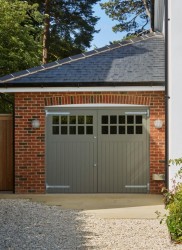
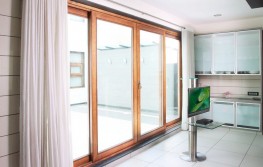
External wooden doors are required to be durable and dimensionally stable to prevent doors becoming difficult to open and close in bad weather. Accoya® wood meets these criteria and has been successfully used worldwide to create simple or complex designs in a variety of challenging environments. From external solid wood front doors, to patio, bi-folding and garage doors, Accoya® wood is the material of choice.
BENEFITS OF ACCOYA® WOOD WINDOWS & DOORS
Accoya® wood is backed by decades of research and development, meaning that you can be assured of high performance wood windows and doors every time. Find out more about the features and benefits of choosing Accoya® for your timber windows and doors.
MADE TO LAST –Accoya® is the best wood for windows and external wooden doors as it is guaranteed not to rot or noticeably swell for at least 50 years. Accoya® is more durable and stable than all the other joinery woods.
CONSISTENT QUALITY – Accoya® wood is modified from the surface to the core; therefore, every piece of Accoya® is consistent. The BBA assessed material does not require any chemical preservatives to be applied when cut or planed.
LOW MAINTENANCE – Factory applied paint coatings last longer on Accoya® wooden windows and external timber doors. Typically double the maintenance interval of traditional painted windows
BEAUTIFUL & BESPOKE – Accoya® wood is a naturally beautiful material easily used to replace windows, timber sash windows, historic and contemporary windows and doors. A full range of colours can be applied in the factory prior to delivery to meet the design requirements.
VALUABLE INVESTMENT – Accoya® wood windows and doors deliver long term performance and with better thermal values, provide cost savings through energy reductions. By investing in high performance windows and doors, it can add value to your home.
SUSTAINABILITY THAT ENDURES – Accoya® is 100% non-toxic and produced from FSC® timber. Accoya® wood achieved the Gold standard in Cradle to Cradle assessment.
 Other
Other

Contact

Contact
Contact